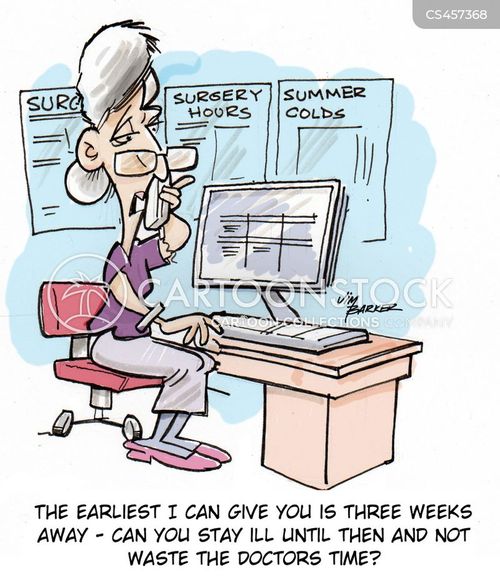
Once upon a time, in the days of compassion, community and care, our Government of the day, decided that Medical receptionists had a bad name. Dragons, unapproachable and a bit scary. So they decided to train 6 young women to be the first trained medical receptionist in Britain.
During her college training she was taught to always put the patient first. Never get cross with them. Whatever is wrong, however small it might be to you, to that patient it was important. Always show respect.
Always be polite. Dress in a tidy smart way and show patients respect and value their autonomy.To always remember, no matter how she felt, the patient felt worse, so always respect that. Be kind, tolerant and efficient.
One of the practices to hire this newly trained Professional, was in Portsmouth Hampshire. They had just become a joint practice, 4 General Practitioners working together.They had just over 8000 patients, one District Nurse and one receptionist.
Every day they ran an open surgery, one appointment system and at least one clinic. Baby, women’s welfare or vaccinations.Later they became the very first practice to care for people addicted to drugs, heroin etc.
One of the GP’s was also the Police doctor, so was often called out to people needing medical help at the police stations of the area.
Every day they ran an open surgery and the huge waiting room was always full, long before surgery began.
All of this and one receptionist.
Yes One receptionist!
The 2nd consulting room was used for ‘on the day ‘ patients and the medical room would house a clinic.
The job of the receptionist was as follows.
Open everything up first thing and let patients waiting for the open surgery, into the waiting room.
All medical notes were in paper form, envelopes kept in huge steel cabinets. She would get all the notes out for the booked appointment. Make sure both consulting rooms were ready, equipped for minor surgeries , sterilisers on and ready, prescription forms ready etc.Stack notes for the incoming booked patients, on the desk in each room.All stationary up to date and a number of pens.Fridges would be checked for stock and stock ordered as needed.
Clean drawsheets put on couches and fires on in Winter or windows opened in Summer.
Then the ‘busy’ would begin.
The phone rang constantly and the trained receptionist, although told to attend to patients coming into surgery first, the phone was not allowed to ring for very long without it being answered.
She would never, I say never, ask a patient personal questions or embarrassing questions about their health. That was left to the GP And in my opinion, rightly so.I suppose it was trusted, that coming to see a GP meant they need to see a GP!
She would never keep a patient on the line, and would ring back if needed. She would never ask the patient to ring back. Never say they could not have an appointment or decide whether or not the Doctor would call ,if they were not sure.
She would also have to make hospital appointments.Book health visitor appointments, baby clinics and the hospital clinics etc.
Book hospital transport for those who could not get to their appointments without transport. Very few had cars as it was a very poor area.
Sometime during each day, she would write letters to consultants, referral etc. Mark up notes, write surgery lists for next day.
ALL BY HAND.
No computers.
No typewriters. No mobile phones.
All with a smile.
Still with me?!
The phone was always busy and had to be answered as soon as was possible.
Patients would be coming in all this time and had to be booked in or queries answered.
Often babies had to be looked after while Mum was being examined. She would act as chaperon for patients when needed.
All repeat prescriptions were written, by hand, by the receptionist and then signed by GP.
Remember, this was all done while this receptionist was manning the desk and answering the phone.
Busy huh!
She would also make coffee for GP. Get notes out for District nurse. Liaise with hospital for discharges or admissions.
Order stock. Liaise with Winchester, The Executive Council, the body who was in charge of medical notes. If a patient was moving surgeries, she would have to prepare notes, pack them and arrange collection by the Executive Council,who would collect them and bring any already requested, by the receptionist, for new patients joining the practice.
Still with me?!
This receptionist, working alone, would also have to arrange medicals for insurance purposes, Arrange for passports to be signed and vaccinations at the local Hospital for those patients going to certain foreign countries.
Doctors also had housecalls to make. The receptionist would take the call and either make a decision, if it was obvious the patient couldn’t attend the surgery, or put the call through to the doctor on call. Then (would you believe it), the doctor would actually call on the patient, that day, in their own homes! I know! How extraordinary is that!
Never a quiet moment. Never time to take a break, drink coffee or tea on the go so to speak.
No technology. No computers, printers, typewriters all and everything done by hand and done with a smile.
How do I know this?
By what authority do I write this?
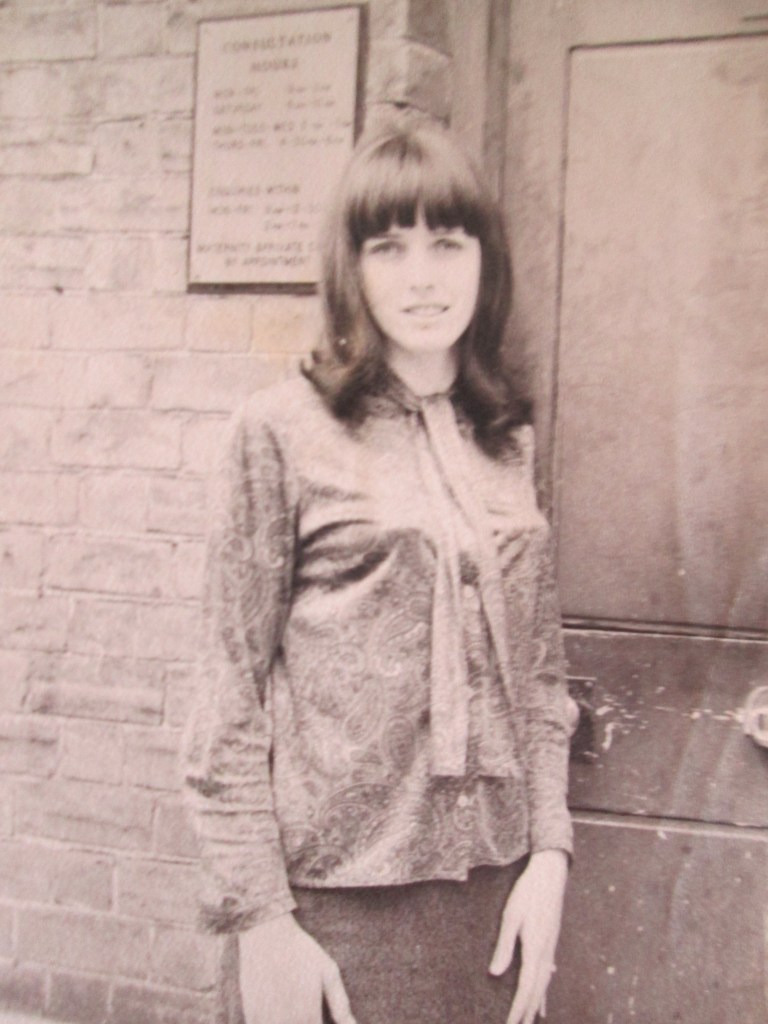
Because. I was one of the first six girls to train on this Government scheme and this was my first job.I was one of the first trained medical receptionists in the UK.I was very proud to have been selected.
I worked for the GP practice for 6 years. The patients and the doctors became my friends, many coming to my wedding.
It was a very hard job but very fulfilling.
The point of this story is just to say. In GP practices today, there are often 4 or 5 receptionists, a Secretary, a manager, 2 – 3 nurses, etc etc.
But can we get an appointment to suit us!
Do they reply to emails they asked us to send?
Do they call back when you are told they will?
Do they enable us to make appointment’s when needed, especially when urgent?
Are they compassionate?
Do they look busy?
Personally I can answer No to most of these on an average day.
If you are a person with ailments. 2026 is not for you!
If I ring for an appointment, it is because something is wrong. Wrong at that time. I don’t know if it will get worse or if I need something to help me, that is why I need to see a doctor. Not in 2 weeks. Not a nurse to ring me 2 days time.Now!
If I have had blood tests or any tests and ring for results. I don’t want to hear a recording telling me to ring between 3 and 4 in the afternoon! I need them when I ring!
When I ring to see a GP that is who I want to see. That is what I have paid all my life for, the opportunity to see a trained professional who can hopefully help me. Not to talk to a receptionist who is not medically trained. Not to a nurse but to a doctor!
If I go into the surgery, I don’t want to be cross questioned, within earshot of anyone in the surgery, about ‘what the problem is’!
Doctors are not too busy. Receptionists are not too busy to answer the phone. There are many of them.What are they all doing? In this world of automation, digital equipment etc. What are they all doing!?
Take me back please to the years of kindness, compassion, respect and understanding.
From me. One of the first fully trained Medical Receptionist in the UK and very proud of it!
Thank you for reading.

 carolannwright